


Types of braces
Types of Braces — Trust Your Orthodontist to help you Choose the Best Option
When it comes to types of braces, there are numerous options available. From traditional metal to Invisalign, Dr. Pickens-Larson or Dr. Fitzgerald can work with you to determine what works best to help you achieve your beautiful smile. And, if your treatment allows it, have a little fun in the process!
Let’s take a look at some of the most frequently used orthodontic options currently on the market.
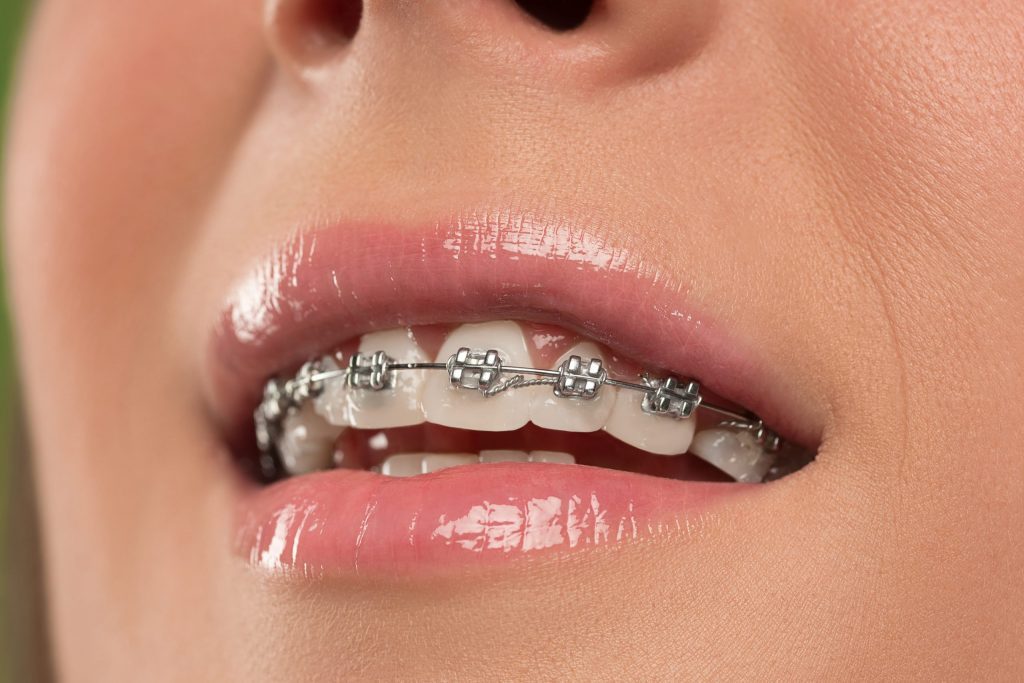
1. Traditional Metal Braces
Traditional braces are the standard metal brackets placed on your teeth with an adhesive and connected by wire. They require regular tightening so that steady pressure gradually straightens your teeth and aligns your jaw.
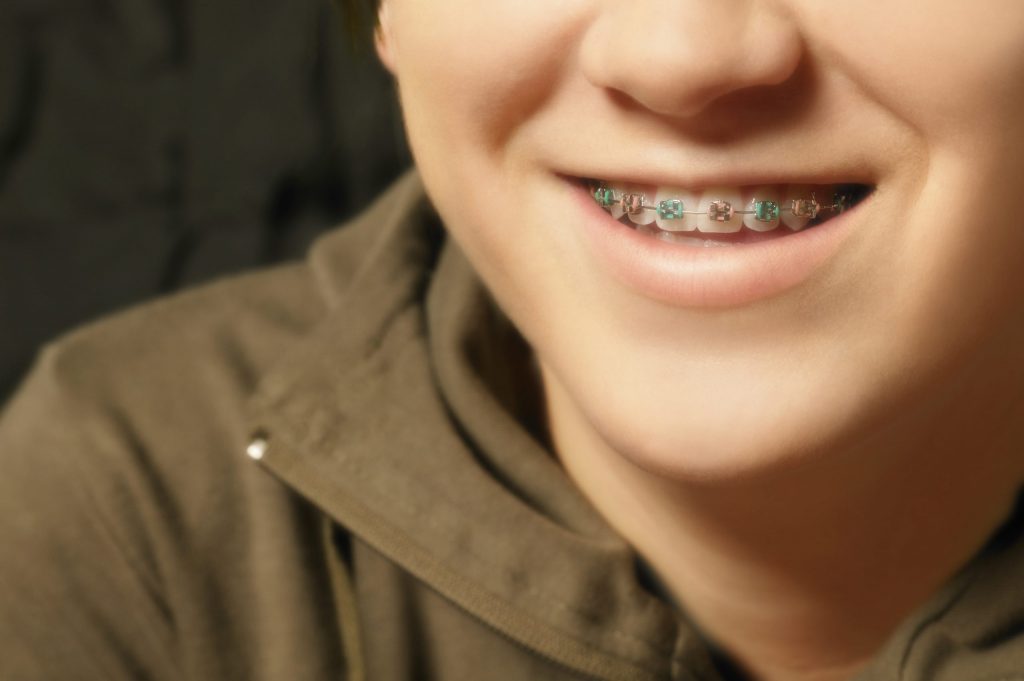
2. Fun and Colorful Braces
Sky Ortho offers colorful and artistic ways for your kids and teens to show personal style when it comes to their braces. We offer colored brackets, o-rings, and rubber elastics that kids can change with every visit and adjustment.

3. Ceramic and Invisible Braces
Ceramic braces are very similar to traditional braces. They sit on the front of the teeth, just like the traditional braces, but they blend in with the teeth a little better since they’re made of tooth-colored or clear ceramic material. The wires can sometimes be colored or clear, too, to make the braces appear invisible.
These braces work as fast and effectively as traditional braces but may cost a bit more.

4. Invisalign
The most recent (and wildly popular) addition to the world of braces doesn’t look like braces at all. Over the last 15 years, Invisalign has cornered the orthodontic market by offering clear, pop-on retainers that straighten teeth without brackets, bands, or wires. Invisalign uses a series of (18 to 50) plastic trays to guide misaligned teeth into the proper position.
Patients who choose Invisalign must wear the trays as often as possible to see the best results but luckily, the trays are clear and fairly comfortable, so it isn’t too much of a chore. You do have to take them out when eating or drinking dark liquids to prevent staining.
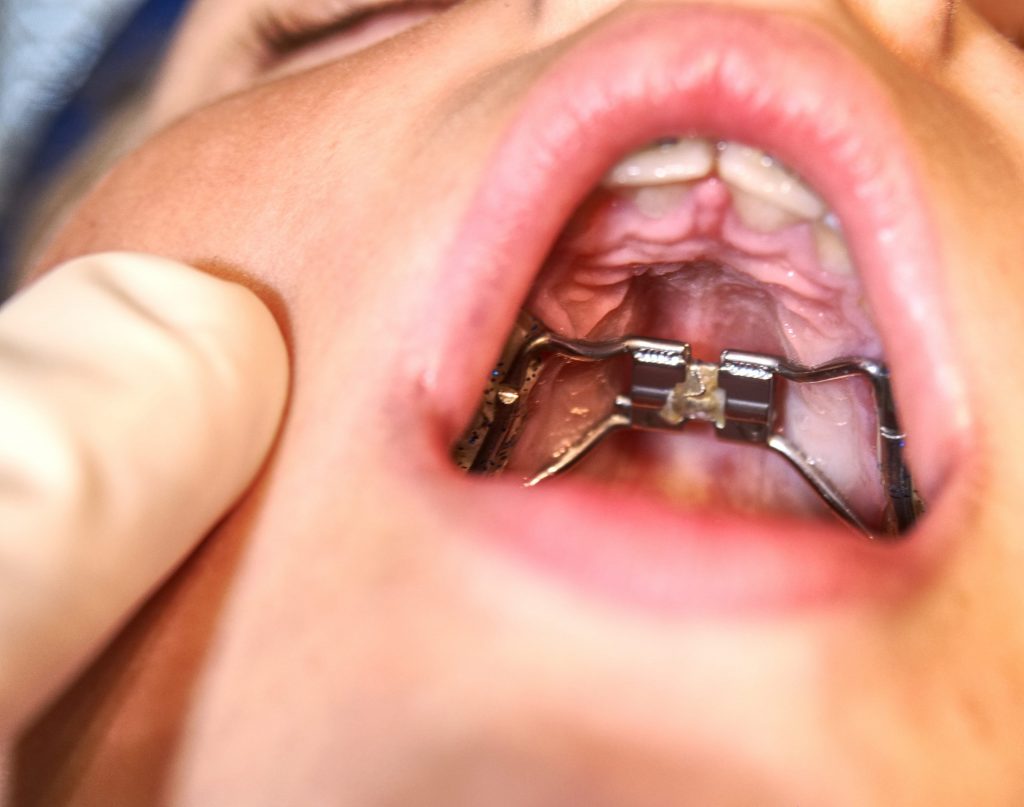
5. Palette Expanders
A palate expander is an orthodontic appliance that is used to correct a width problem or discrepancy between the upper and lower jaws. In the most simple terms, it is used to widen the upper jaw.
Palate expanders are used when your orthodontist detects a width issue with your upper jaw. This is typically discovered as a crossbite or crowding. Crossbites are a bad type of bite that orthodontists always correct as early as possible. Palatal expanders are typically used in younger children who still have growth potential. However, they are also occasionally used in adult patients in select cases.
Before & After
Results

Keep
In Touch
Managed and Designed by